Preaching Christ’s Gospel in the Gallatin Valley
Our Church
Worship 10:00 AM & 6:00 PM
11:15 AM (Education)
Location
17333 Frontage Rd Belgrade, MT
(Frontage Road between Belgrade and Manhattan)
Recent Sermons
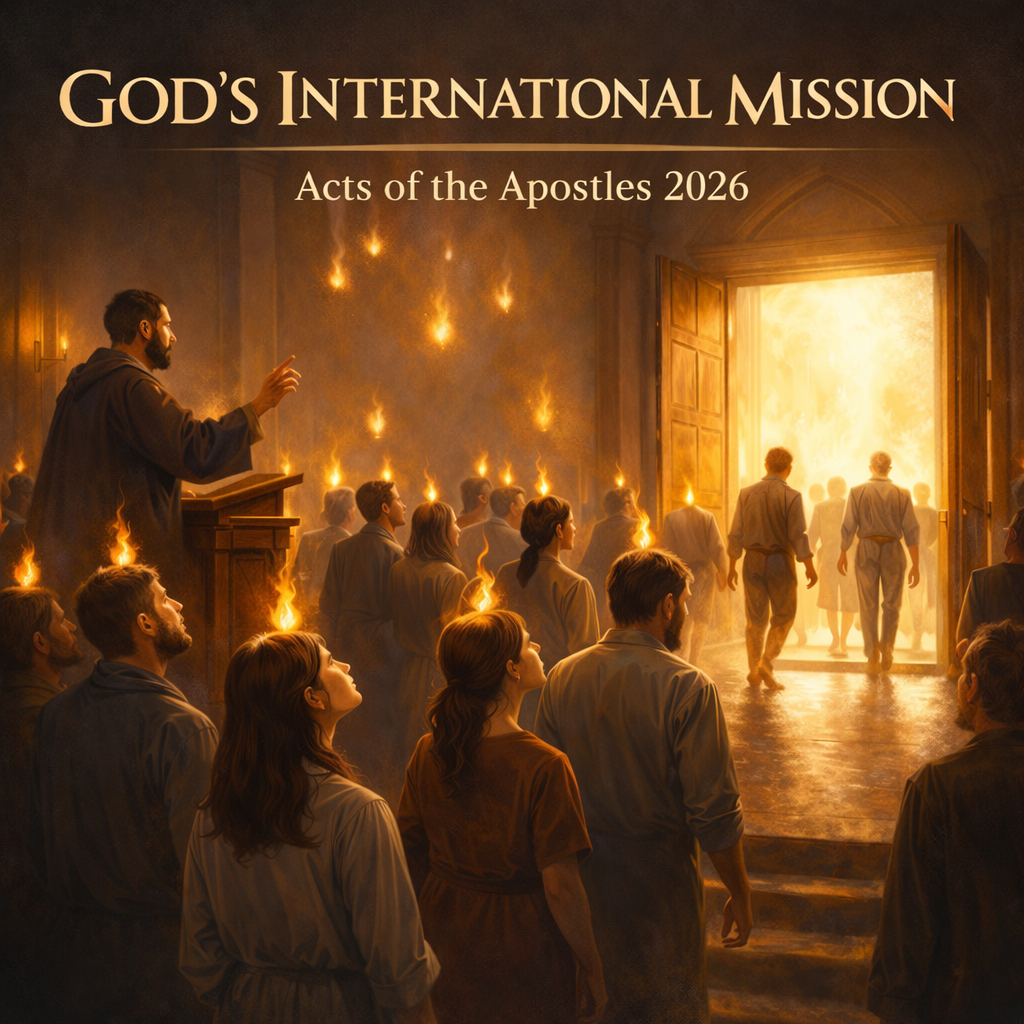
In Acts 3, Peter confronts a common human tendency: trusting in visible leaders rather than the God who works through them. After the healing of the lame man, the crowd focused on Peter and John as if the miracle came from their personal holiness or power. Peter immediately redirects their attention to Jesus Christ, the true source of life and healing. The miracle was not a testimony to the apostles’ piety but to Christ’s authority and resurrection power. This passage reminds us that God builds His church through ordinary means and imperfect servants, while all glory belongs to Christ alone.
Peter then proclaims Jesus as the promised Messiah, the Suffering Servant foretold by the prophets, and the Author of Life whom Israel rejected but whom God raised from the dead. Though the crowd had participated in this rejection, Peter extends a gracious invitation to repent and turn to Christ for the forgiveness of sins. The gospel offers restoration not to the worthy but to those who recognize their need for a Savior. As believers, we are called to place our confidence not in human leaders, spiritual achievements, or personal performance, but in the Triune God whose power raises the dead, renews hearts, and grants life through Jesus Christ.
How do we know that God will keep His promises? Psalm 132 addresses that very question. In the midst of uncertainty, the psalmist looks back to God's covenant with David and asks whether the Lord has forgotten His word. Rather than giving in to despair, he brings his concerns directly to God and pleads for the fulfillment of God's promises. The Lord responds with reassurance: His purposes have not changed, His timing is perfect, and His promised King will come. In Jesus Christ, the covenant promises made to David find their fulfillment, giving believers confidence that God never fails to keep His word.
At the Beautiful Gate, a man crippled from birth asks Peter and John for alms, believing money is his greatest need. Yet the apostles offer something far greater: the healing power of Jesus Christ and the life-giving message of the gospel. Through this miracle, God demonstrates that humanity’s deepest problem is not physical weakness or financial hardship, but the spiritual brokenness caused by sin. The healed man leaps with joy and praises God, illustrating the gospel’s purpose—to restore broken people and make them whole through Christ. As the church proclaims the good news, it brings not merely temporary relief, but the eternal hope, joy, and restoration found in Jesus alone.
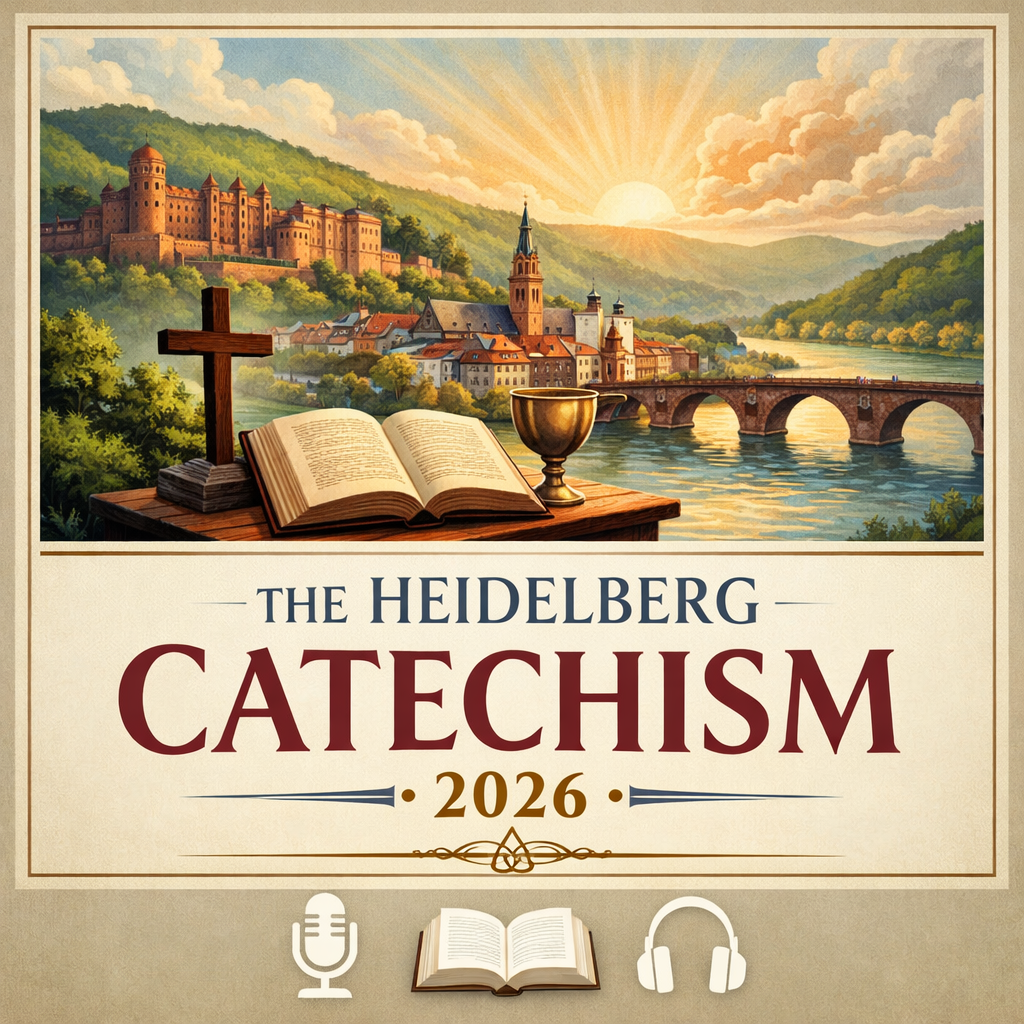
Many people assume that Reformed theology is all about doctrine and not devotion, but Heidelberg Catechism Lord's Day 13 tells a different story. Through Christ, the eternal and only begotten Son of God, believers are brought into God's family as adopted children. Adoption is not a lesser status; it grants full inheritance rights through union with Christ. Romans 8 teaches that those led by the Spirit are heirs of God and co-heirs with Christ, sharing in the blessings secured by the faithful Son. This truth transforms our relationship with God. We no longer live as slaves motivated by fear, but as beloved children who cry, "Abba, Father." Our obedience is not driven by terror or an attempt to earn God's favor. Instead, we honor God because we belong to Him and because our inheritance is already secure in Christ. Far from being cold doctrine, the gospel of adoption brings assurance, comfort, and joy to the heart of every believer.
What happens when Christ is gone? Acts 2 answers that question with power and clarity. After Peter’s Pentecost sermon, the crowd is cut to the heart over their rejection of Christ and asks, “What shall we do?” Peter responds not with condemnation, but with the Gospel: repent, be baptized, and receive the gift of the Holy Spirit. This passage reveals that Christ has not abandoned His people after His ascension. Through the Spirit, He continues building His covenant community—a church devoted to apostolic teaching, fellowship, communion, prayer, and bearing one another’s burdens together in faith.


The Christian gospel confronts us with a humbling truth: we are heinous sinners so estranged from God that only Christ's suffering, death, and resurrection can bring us near. From the moment the eternal Son took on human flesh, He began a path of humiliation that would culminate at the cross, where He would bear our griefs and carry our sorrows as the true Scapegoat. Though He never sinned, Christ was pierced for our transgressions and crushed for our iniquities, taking upon Himself the chastisement that brought us peace.
Christ's suffering accomplished what no moral example could achieve: the actual removal of our sin and the crediting of His righteousness to our account. This means that our sins are credited to Christ. The other side is that His righteousness is credited to us. We are delivered from eternal condemnation and restored to full communion with God. This is shalom: not a cold peace treaty, but the complete restoration of fellowship. Christ now lives to make intercession for His people, ensuring that those He has redeemed will persevere to the end and find safe passage into the most holy place in heaven itself.